Pack walks: Helpful socialization tool or disaster in the making?

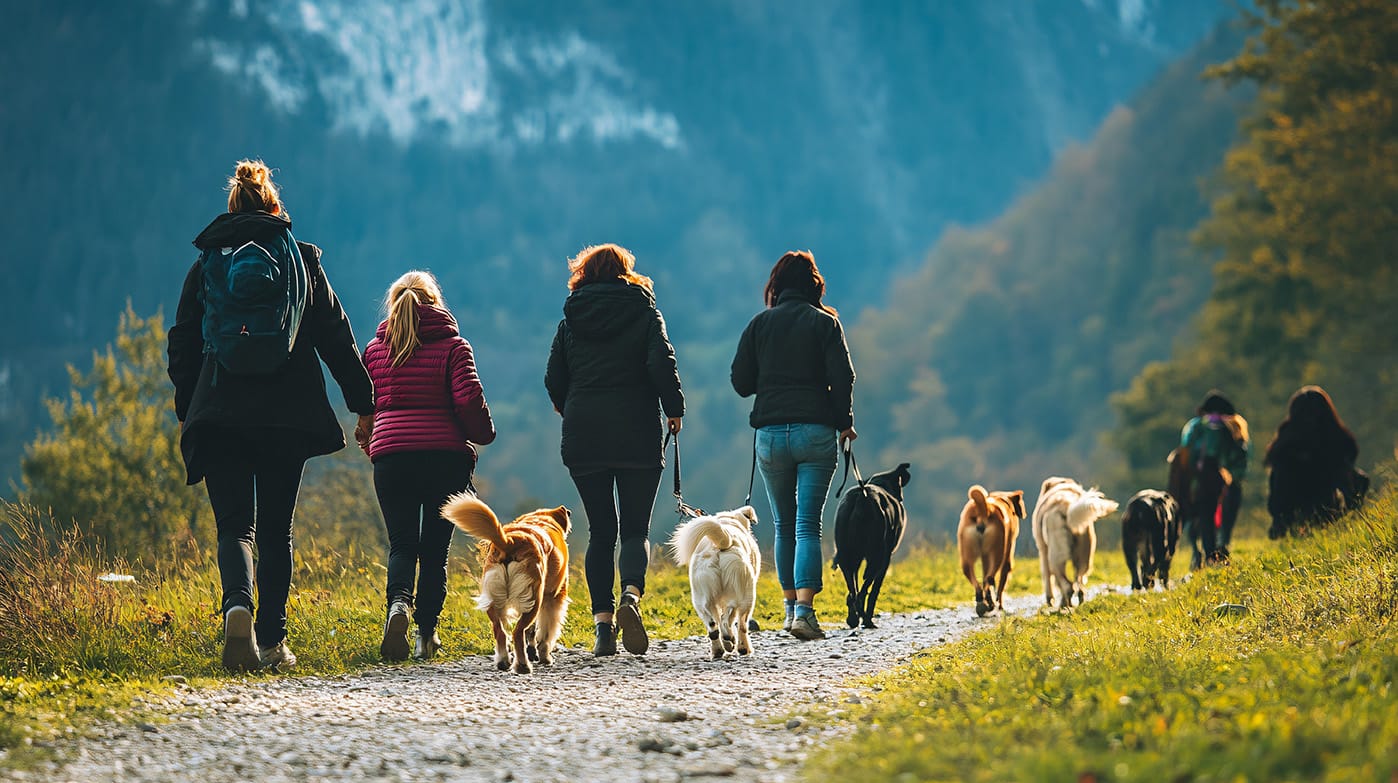
Dog lovers are debating whether pack walks (group walks led by a trainer or handler with multiple dogs) are genuinely useful for socialization or just visually impressive. Scroll through social media and you’ll see beautifully behaved groups of happy dogs with their handlers, out on an adventure. It looks like magic, but like most things, the idea of a pack walk hides nuance.
Done well, pack walks can combine a fun outing with your dog and a useful training tool. Done poorly, they can reinforce exactly the behaviors you’re trying to change.
Let’s look at what actually makes them work, and what doesn't.
What pack walks are (and what they aren’t)
A common misconception is that pack walks are about dogs “socializing” through interaction—sniffing, playing, or greeting each other.
In reality, a well-structured pack walk is about something very different:
learning to exist calmly around other dogs without direct interaction.
For many dogs—especially those who are reactive, anxious, or easily overstimulated—this is a far more valuable skill than free-for-all social time.
When pack walks work
Pack walks can be highly effective enrichment activities and behavior modification support when they are:
1. Structured, humane and pre-screened
Dogs are screened before joining a pack walk to make sure they don't have a history of reactivity or aggression towards other dogs or people. Dogs are spaced appropriately, movement is intentional, and there’s minimal on-leash greeting. No punitive methods (scolding, spraying, collar jerks or e-collars) are used.
2. Led by a skilled trainer
Timing, observation, and decision-making matter. A good trainer reads dogs' subtle stress signals, adjusts spacing, encourages positive reinforcement and prevents any escalation of unwanted behavior.
3. Designed for emotional regulation
The goal of each walk is helping dogs enjoy their time out and about and importantly, stay under threshold for lunging or barking.
4. Matched thoughtfully
Throwing incompatible dogs and handlers together doesn’t “fix” behavior. Group composition—energy levels, triggers, and handler experience—makes or breaks the session.
5. Gradual and intentional
For friendly dogs, the trainer structures the group's activities to avoid frustration (no watching other dogs run, no two dogs get to wrestle, etc.). For mildly reactive dogs, simply being near other dogs without reacting is a huge win. Progress is measured in calmness, not proximity or interaction.
How pack walks go wrong
On the flip side, pack walks can easily backfire when:
- Dogs are over threshold
If a dog is already stressed, adding more dogs and stimulation can reinforce reactivity instead of reducing it. - Pressure for dogs to "behave"
Suppressing behavior isn’t the same as changing emotion. A dog that seems "calm" may still be overwhelmed internally. - Handlers (and trainers!) miss early signals
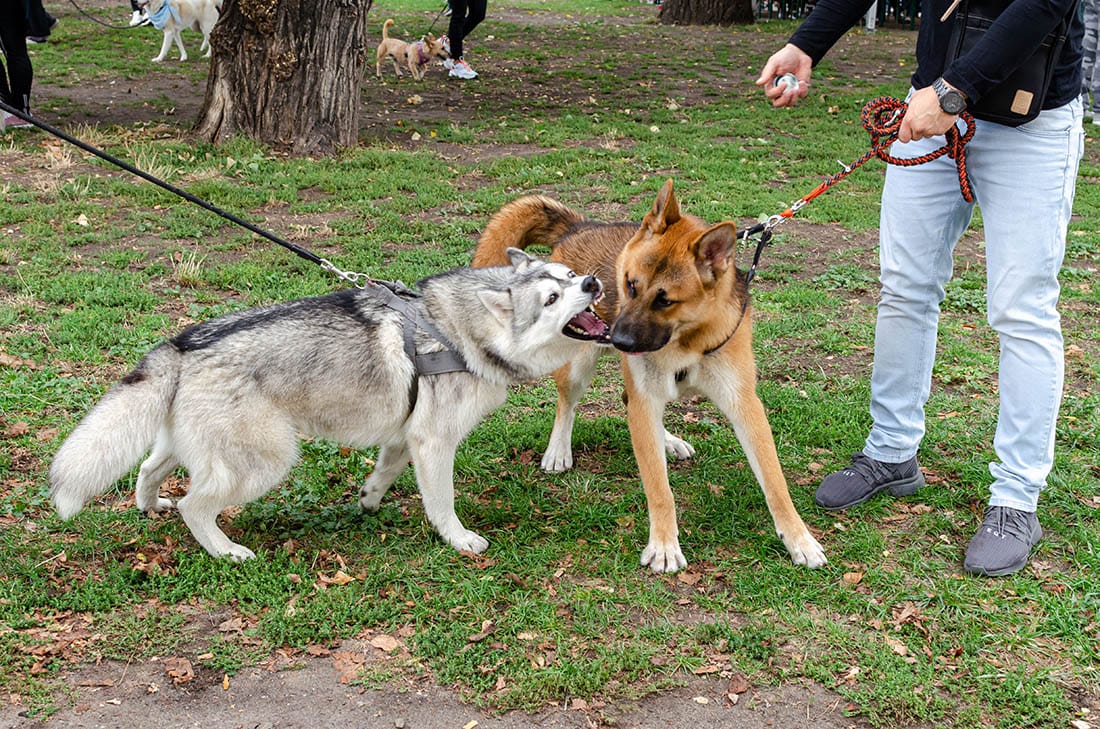
Spend some time learning about canine body language before starting pack walks. Tension between dogs builds quietly with signs like stiff posture, hard staring, subtle avoidance. Ignoring these signs can lead to bigger reactions later on. - The outing is focused on performance
If the focus is on how the walk looks rather than how the dogs feel, the training value drops quickly. Dogs who are nervous may become more so; dogs who feel emboldened to react may progress to nipping or fighting.
The real value in pack walks: Neutrality, not sociability
One thing most professional dog trainers know that those new to dog behavior may not:
Most dogs don’t need to be friends with other dogs. They need to be calm and relaxed in their presence.
Pack walks, when done correctly, teach dogs that other dogs can exist in their environment without being a threat, a trigger, or an invitation. This a foundational life skill that benefits all dogs.
So… are pack walks worth it?
With the right leadership and structure in place, they can be!
But pack walks are not a substitute for individualized training or behavior modification. You can think of them as a supporting tool, not the entire solution.
If you’re considering joining a regular pack walk, ask:
- Are the walks led by a trainer certified in positive-reinforcement based training? (No e-collars, prong collars, etc.)
- Is the group structured and controlled?
- Do the handlers prioritize emotional state over appearance?
- Is my dog ready for this level of exposure?
Because the difference between helpful and harmful is all in the execution and in paying attention to each dog as an individual.
Determining the purpose of pack walks
Done correctly, pack walks are about helping dogs feel safe, regulated, and capable in the presence of others. This means working with an experienced trainer or animal behavior consultant who understands and can teach you about dog body language, behavior thresholds, how to properly use negative reinforcement for reactive behavior, using interventions like differential reinforcement and positive reinforcement to teach new skills, handling tactics, and so on.