What is a dog behavior consultant? How the role differs from dog training


Many dog professionals reach a point where basic training questions start to turn into bigger behavior questions.
A dog can sit, stay, and walk nicely in class, but at home, they panic when guests arrive. A client says their dog is “stubborn,” but the pattern looks more like fear, stress, or confusion. A dog’s behavior may also raise safety or welfare concerns, such as biting, severe fear, or intense reactivity.
That is where dog behavior consulting comes in.
Dog training and dog behavior consulting overlap, but they are not the same job. Trainers often teach skills. Behavior consultants look at the larger picture around a behavior problem and help create a realistic plan for change.
So: What is a dog behavior consultant?
A dog behavior consultant is a professional who helps clients understand and change behavior problems by looking at the whole picture: the dog’s behavior, environment, learning history, emotional state, risk, and the humans involved.
Dog trainers often focus on teaching skills, such as loose-leash walking, recall, polite greetings, and class foundations. Dog behavior consultants use a broader assessment and planning process, often for more complex behavior concerns.
A behavior consultant does not simply label a dog as “dominant,” “stubborn,” or “bad.” They ask better questions. What happens before the behavior? What happens after it? Where does it happen? What has the dog learned? What does the dog need? What can the client safely and realistically do?
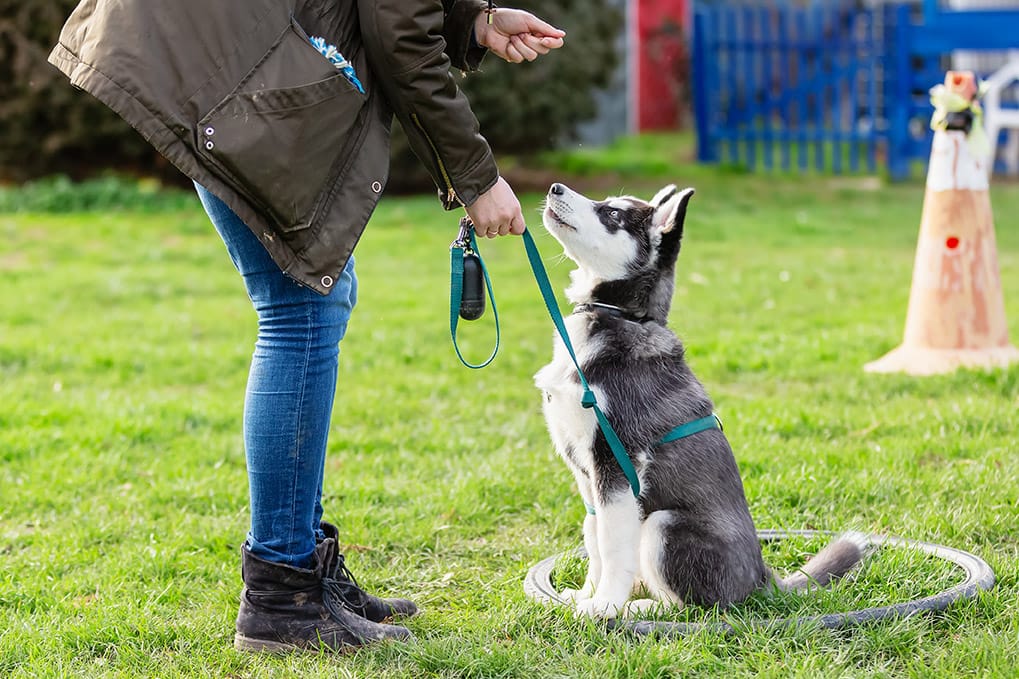
What dog trainers usually focus on
Dog trainers help dogs and people build useful skills.
That might include teaching a puppy to settle on a mat, helping a family teach polite leash walking, coaching a dog through a basic manners class, or helping a client improve their timing and reward delivery.
Most dog training work includes things like:
- Teaching cues, such as sit, down, stay, come, leave it, and drop it.
- Building manners, such as not jumping on guests or not pulling on leash.
- Coaching people so they can practice clearly and kindly.
- Creating class goals or private lesson plans.
- Helping dogs learn in ways that are safe, humane, and effective.
Good training is not “just obedience.” It can improve communication, reduce stress, and help people live more easily with their dogs.
Modern professional training also places strong value on humane methods. The American Veterinary Society of Animal Behavior says reward-based methods should be used for dog training and behavior modification, and its public resources state that AVSAB recommends reward-based methods for all dog training, including behavior problems.
So, dog trainers are already doing important work. In fact, many behavior consultants begin as trainers because training experience helps them understand learning, timing, reinforcement, client coaching, and dog body language.
But some cases call for a wider lens.
What dog behavior consultants usually focus on
A dog behavior consultant looks beyond the skill the dog can or cannot do.
Instead of asking only, “How do we teach this dog to stop barking?” a consultant may ask:
- What starts the barking?
- What does the dog gain or avoid by barking?
- Does the dog look afraid, excited, frustrated, conflicted, or overwhelmed?
- Is the environment making the problem worse?
- Are there safety risks for people, dogs, or other animals?
- What has already been tried? What is realistic given what this client can actually follow through on?
This is a key difference. Behavior consulting is not only about teaching the dog a new cue. It is about understanding why the behavior is happening and creating a plan that fits the dog, the people, the home, and the risk level.
A consultant may think about antecedents and consequences, environment, emotional state, safety, client capacity, and intervention planning.
In plain language, that means they look at what happens before the behavior, what happens after it, what the dog may be feeling, what the people can manage, and what plan is most likely to work.
For example, a dog may bark and lunge at other dogs on walks. A basic training goal might be, “Teach the dog to heel.” A consulting-level question might be, “Is this dog afraid, frustrated, over-aroused, in pain, lacking distance, or practicing a pattern that keeps working?”
That question leads to a different kind of plan.
The plan may include management, safety steps, enrichment, changes to the walking route, careful exposure at a safe distance, new skills, and referral to a veterinarian or veterinary behaviorist when medical or medication questions are involved.
That last part matters. Dog behavior consultants do not diagnose medical or psychiatric conditions. Veterinary professionals are the ones who diagnose and treat medical problems. The American Veterinary Society of Animal Behavior explains that veterinarians are qualified to diagnose and treat medical and behavioral problems, and board-certified veterinary behaviorists can prescribe medication and behavior modification plans.
How behavior consulting is different from dog training
Dog training and behavior consulting are connected, but they often start from different questions.
Dog training often asks, “What skill does this dog need to learn?”
Behavior consulting often asks, “What is driving this behavior, and what needs to change for this dog and client to make progress safely?”
Who should you call for help with your dog?
The right starting point depends on what has changed, how complex or risky the behavior is, and whether a medical issue might be involved.
The titles alone do not tell you everything. Dog trainers and behavior consultants can have very different education, experience, credentials, and methods. In the United States, certification is generally voluntary for dog trainers, and behavior consultant is not a protected title. Ask about the professional’s credentials, experience with cases like yours, methods, continuing education, and referral relationships before hiring them.
The roles also overlap. A well-qualified trainer may have extensive behavior experience, and a behavior consultant may teach practical skills as part of a larger plan. The guide below describes useful starting points, not rigid boundaries.
Dog trainer
Start here when: Your dog needs help learning everyday skills or practicing them more reliably. Common examples include puppy foundations, recall, loose-leash walking, polite greetings, settling, cooperative-care skills, and responding around ordinary distractions.
What they can help with: A qualified trainer can teach new skills, adjust the training setup, improve reinforcement and timing, coach the humans involved, and turn a broad goal into steps the dog and household can practice. Some trainers also have advanced education and experience with reactivity or other behavior concerns, so ask about the individual professional rather than relying on the title alone.
When another professional may be needed: Involve a veterinarian when the behavior changed suddenly, pain or illness might be contributing, or medication or a medical diagnosis may be relevant. A trainer should also refer or collaborate when fear, panic, aggression, compulsive behavior, or another complex concern falls outside their education or experience.
Dog behavior consultant
Start here when: The concern involves a more complex pattern affecting safety or quality of life—for example, fear, anxiety, aggression, phobias, compulsive behavior, or another problem that requires more than teaching a cue. Recognized behavior-consultant credentials evaluate knowledge and experience relevant to complex cases, but the title itself does not guarantee those qualifications.
What they can help with: A qualified behavior consultant can gather a detailed history, look at what happens before and after the behavior, consider the environment and the dog’s learning history, develop management and behavior-change recommendations, coach the people implementing the plan, monitor progress, and refer when the case needs medical or specialist involvement.
When another professional may be needed: A behavior consultant who is not also a veterinarian cannot diagnose a medical condition or prescribe medication. Veterinary involvement is important when behavior changes suddenly, pain or illness may be involved, medication is being considered, or the case has medical and behavioral pieces that need to be assessed together.
Veterinarian
Start here when: Your dog has a sudden or unexplained behavior change, possible pain or illness, changes in sleep, appetite, movement, elimination, or awareness, or any other sign that health may be affecting behavior. A veterinarian is also the correct professional for medical diagnosis and medication questions.
What they can help with: Veterinarians can diagnose and treat medical and behavioral problems. They can take a medical and behavior history, perform a physical examination, recommend diagnostic testing, identify or rule out medical contributors, prescribe medication when appropriate, and coordinate or refer to a qualified trainer, behavior consultant, or veterinary behaviorist.
When another professional may be needed: A general-practice veterinarian may refer to a veterinary behaviorist when the case is severe, unusually complex, not improving as expected, or requires specialty behavioral-medicine assessment. Veterinary behavior-management guidelines also describe collaboration with qualified trainers and behavior professionals as part of an integrated plan.
Board-certified veterinary behaviorist
Start here when: The dog has a severe or complex behavior problem, medical and behavioral factors may be interacting, medication may need to be integrated with a behavior plan, safety or welfare concerns are substantial, or earlier interventions have not produced enough progress.
What they can help with: A board-certified veterinary behaviorist is a veterinarian with specialty training and board certification in veterinary behavior. This combined medical and behavioral training allows the specialist to evaluate medical contributors, diagnose behavioral conditions, prescribe and monitor medication when indicated, and develop an integrated behavior-modification and environmental-management plan.
When another professional may be needed: Veterinary behaviorists often collaborate with the dog’s regular veterinarian and with qualified trainers or behavior consultants who support day-to-day practice and follow-through. If there is an immediate safety or medical emergency, contact an appropriate local veterinary or emergency service rather than waiting for a specialty appointment.
Still not sure where to start?
- The behavior changed suddenly, or your dog may be in pain or ill: Start with your veterinarian.
- Your dog needs help learning manners or a practical skill: Look for a qualified, humane dog trainer.
- Fear, anxiety, reactivity, aggression, or another complex pattern is affecting safety or quality of life: Look for a credentialed behavior consultant and involve your veterinarian when medical factors or medication may be relevant.
- The case is severe, medically complicated, or not improving with an appropriate plan: Ask your veterinarian about a board-certified veterinary behaviorist.
Whoever you choose, ask how they assess cases, what methods and equipment they use, what credentials and continuing education they have, and who they refer to when a case falls outside their expertise.
Here are three common examples of when behavior consulting comes in handy:
1. The dog can do the skill in class, but not at home
A dog may perform well in a group class. They can sit, focus, and walk politely in that setting.
But at home, the same dog may fall apart when delivery drivers come to the door. They may bark, spin, grab clothing, or rush the entryway.
This may not be a simple “doesn’t know sit” problem. The dog may be over threshold, scared, frustrated, or rehearsing a behavior pattern that has worked many times before.
A behavior consultant would look at the full setup: the doorbell, the layout of the home, the dog’s history with visitors, the client’s timing, safety needs, and what management must be in place before training can work.
2. The client says the dog is “stubborn”
Clients often use labels because they are frustrated or confused.
A dog who “refuses” to come inside may be worried about what happens after they enter. A dog who “knows better” but growls near the couch may be guarding space, resting, in pain, or feeling unsafe. A dog who “acts guilty” may actually be showing appeasement or stress signals.
Behavior consulting helps move the conversation from labels to patterns.
Instead of asking, “How do we stop this stubborn dog?” the consultant asks, “What is the dog responding to, and what are the safest ways to change that pattern?”
That kind of thinking helps protect both the dog and the client relationship.
3. The behavior creates safety or welfare concerns
Some cases carry more risk.
This might include bites, threats toward children, severe fear, panic when left alone, intense dog-dog aggression, or behavior that may be linked to pain or medical issues.
In these cases, the plan must include more than a cue list. It may need safety steps, management, behavior tracking, client education, and referral to the right veterinary professional.
The ASPCA notes that pet behavior issues may include behaviors such as barking, biting, chewing, digging, escaping, and running away, and that seeking help from a qualified professional can be the best way to address behavior problems.
What dog behavior consulting is not
Dog behavior consulting is not deciding to tackle more complex or dangerous behaviors.
It is not seeing one behavior and making a fast claim about the dog’s personality. It is not saying, “That dog is dominant,” “That dog is spoiled,” or “That dog just needs a firm hand.”
Dog behavior consulting is also not diagnosing. A dog behavior consultant can observe behavior, gather history, build plans, and refer when needed. They should not claim to diagnose medical problems or prescribe medication unless they are also legally qualified to do so.
Consulting is not promising fast fixes, either.
Some behavior change takes time. Some cases need teamwork. Some plans need to start with safety and management before deeper change is possible. A good consultant helps clients see what is realistic, what needs to happen first, and when another professional should be involved.
This is part of why behavior consulting can be both challenging and meaningful. It requires knowledge, but it also requires judgment.
Do you need to be a dog trainer first?
Not always, but training experience helps.
You do not always need to be a dog trainer first to begin learning about behavior consulting, and the course Expanding Your Career to Dog Behavior Consulting does not require prerequisites. That said, prior experience with dogs, training, shelters, veterinary settings, grooming, daycare, boarding, or client-facing animal work can help you connect the concepts to real cases.
For many people, dog training is a strong foundation. It gives you practice with learning theory, timing, reinforcement, body language, lesson planning, and coaching humans.
But behavior consulting adds more layers. You need to think about risk, patterns, motivation, welfare, environment, and what the client can actually do between sessions.
That is why this path is especially relevant for dog trainers and dog professionals who are starting to encounter more complex cases and want a clearer framework.
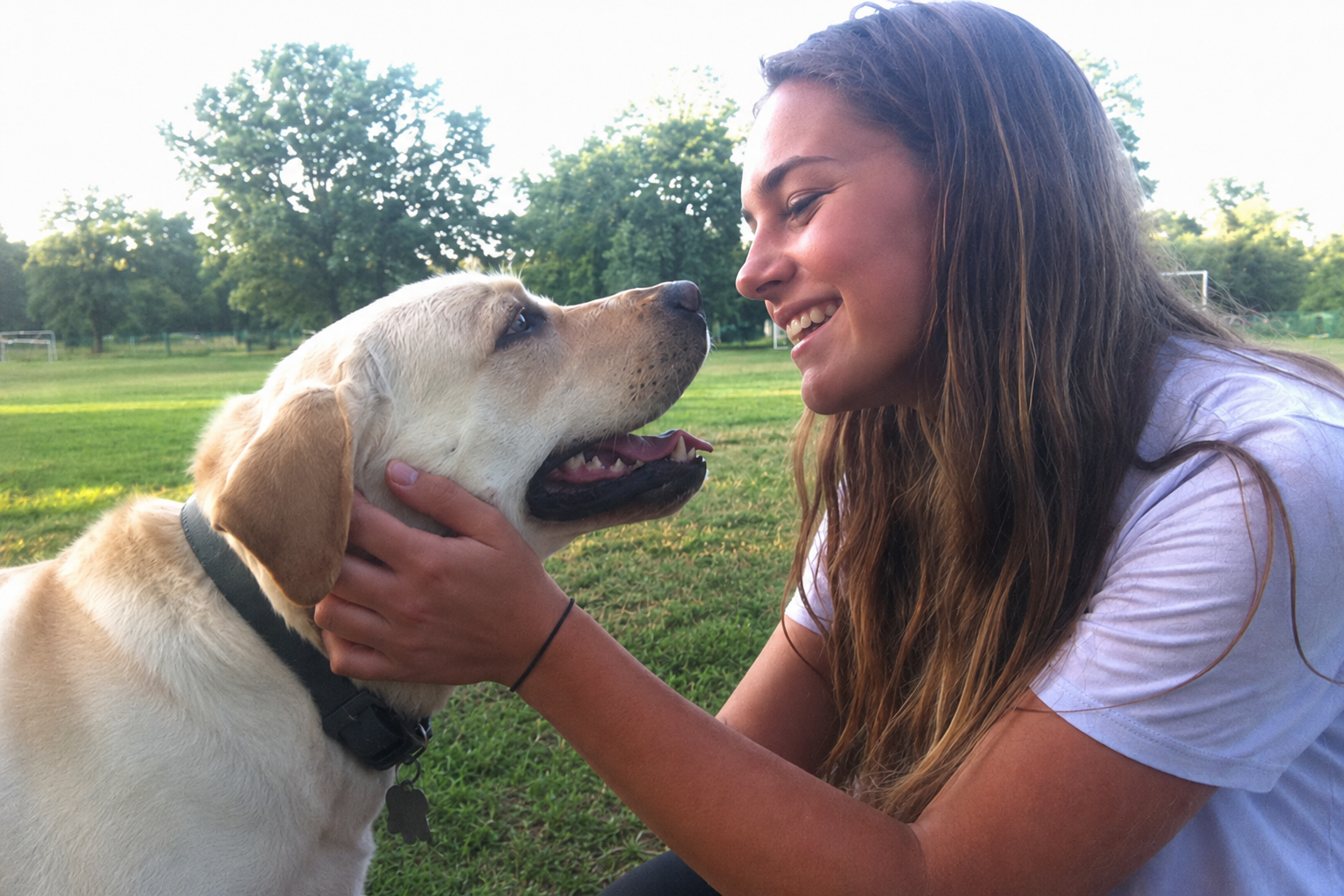
Who this career path may fit
Dog behavior consulting may be a good next step if you enjoy asking “why,” not just teaching “what.”
It may fit you if you are a dog trainer who wants to understand complex behavior cases more clearly. It may also fit shelter and rescue professionals, veterinary-adjacent professionals, daycare staff, boarding staff, groomers, and serious career changers who want to explore the field.
You may enjoy this path if you like:
- Looking for patterns in behavior, then assessing and analyzing those patterns.
- Talking with clients and asking thoughtful questions.
- Creating step-by-step environmental change and behavior change plans that people can actually follow.
- Thinking about safety and animal welfare.
- You are comfortable observing and testing over time instead of expecting one simple answer.
- Working with more complex cases in a careful, scope-aware way.
You do not need to know everything before you begin learning. In fact, part of becoming more professional is knowing what you do not know yet, when to seek mentorship, and when to refer.
As for professional resources, the International Association of Animal Behavior Consultants is focused on raising standards in animal behavior consulting through credentialing and education. The field values education, ethics, and ongoing professional growth.

FAQ
What is a dog behavior consultant?
A dog behavior consultant is a professional who helps clients understand and change behavior problems. They look at the dog’s behavior, environment, learning history, emotional state, safety needs, and the people involved. Their work often includes assessment, planning, coaching, management, and behavior change over time.
Is a dog behavior consultant the same as a dog trainer?
No, although the roles can overlap. Dog trainers often teach skills, manners, and cues. Dog behavior consultants usually work with more complex behavior concerns and use a broader assessment process. Many behavior consultants are also trainers, but behavior consulting requires extra focus on function, risk, environment, emotional state, and intervention planning.
Do dog behavior consultants diagnose behavior disorders?
No, not unless they are also legally qualified veterinary professionals. Dog behavior consultants can observe behavior, gather information, create training and behavior plans, and refer when needed. Veterinarians and veterinary behaviorists diagnose and treat medical conditions. Board-certified veterinary behaviorists can also prescribe medication when appropriate.
What kinds of cases do behavior consultants work with?
Dog behavior consultants may work with fear, reactivity, aggression, separation-related concerns, handling issues, resource guarding, behavior changes in the home, and other complex cases. The exact scope depends on the consultant’s education, experience, credentials, and referral network.
How do I start becoming a dog behavior consultant?
Start by building a strong foundation in dog training, learning theory, humane behavior change, dog body language, client coaching, and case assessment. You can also take courses, seek mentorship, observe experienced professionals, and learn how to work within your scope. If you already work with dogs, your real-world experience can help you connect new concepts to the cases you are seeing.
Interested in exploring behavior consulting as a career path?
Sarah Filipiak’s APDT certificate course, Expanding Your Career to Dog Behavior Consulting, introduces dog professionals to the difference between dog training and behavior consulting, fundamentals of behavior consulting, assessment, intervention planning, and implementation.
Sarah Filipiak is a Certified Dog Behavior Consultant and founder of Train Canine. Train Canine describes her work as helping trainers move into clearer decision-making on real cases, with a focus on practical training, behavior consulting, and client communication.
Want to be notified when the next session opens? Join the waitlist for updates.