Why is my dog suddenly reactive?
A sudden change in barking, lunging, growling, or freezing deserves a closer look. Here’s how to investigate what changed and help your dog while you do.

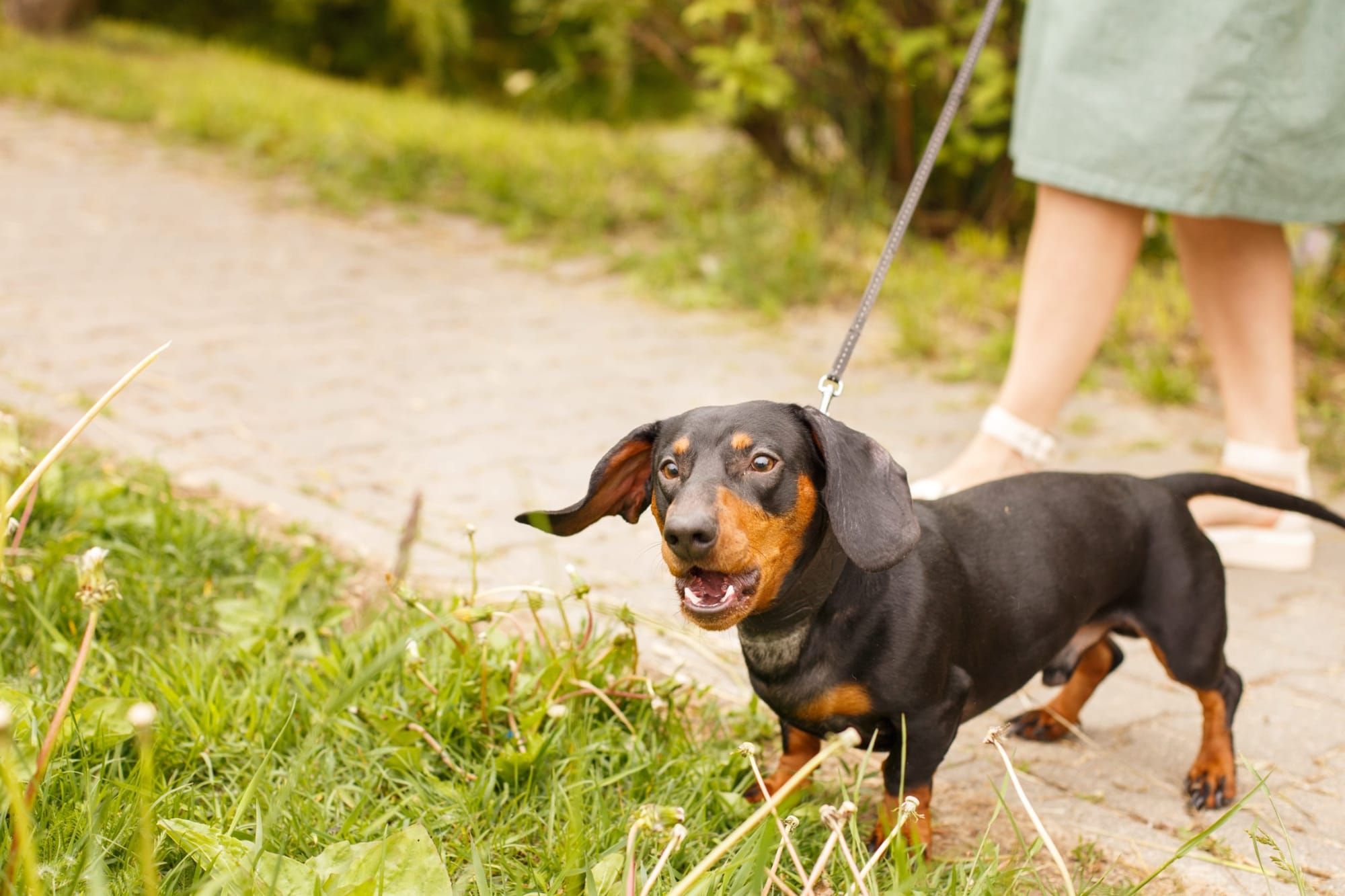
Your dog used to pass other dogs on a walk without much fuss. Now they freeze at the end of the driveway, stare across the street, or bark and lunge when another dog appears. Maybe people, bicycles, visitors, or sounds outside have started getting a reaction too.
When behavior changes this drastically, it makes sense to ask why. The word "reactive" can describe barking, lunging, growling, snapping, pulling, hard staring, freezing, or being unable to disengage from something. It does not tell you what caused the change.
It's best to start with two questions:
- Could your dog be in pain or unwell?
- What was different around the time the behavior began?
First things first, give your dog more distance from the things that set them off. Choose quieter places, skip greetings, and stop putting them in close situations to see whether they can “handle it” today. A little breathing room will make walks safer and give you a clearer view of what is going on.
Did the behavior change suddenly, or did the loud part appear suddenly?
Barking and lunging are hard to miss, but it can be easy to overlook more subtle signs of reactivity.
A dog may start watching other dogs for longer, closing their mouth when another dog appears. These signs alone don't mean your dog is headed for a reactive episode, but combined with leaning forward, slowing down, scanning the street, or needing more time to settle after a walk, they could signal a bigger issue brewing. Your dog might hesitate at a familiar corner, or you find that your dog, who once pulled you toward every possible greeting is now whining, bouncing, or barking when a greeting does not happen.
Sometimes reactivity seems to come out of nowhere. Pain, illness, a frightening encounter, a move, a new person or animal in the household, a schedule change, or altered hearing or vision can affect how a dog responds. The dog may also have been having a harder time for a while, with the most visible behavior arriving later.
Take the suddenness seriously! You can use the following guide to help you determine your best next move.
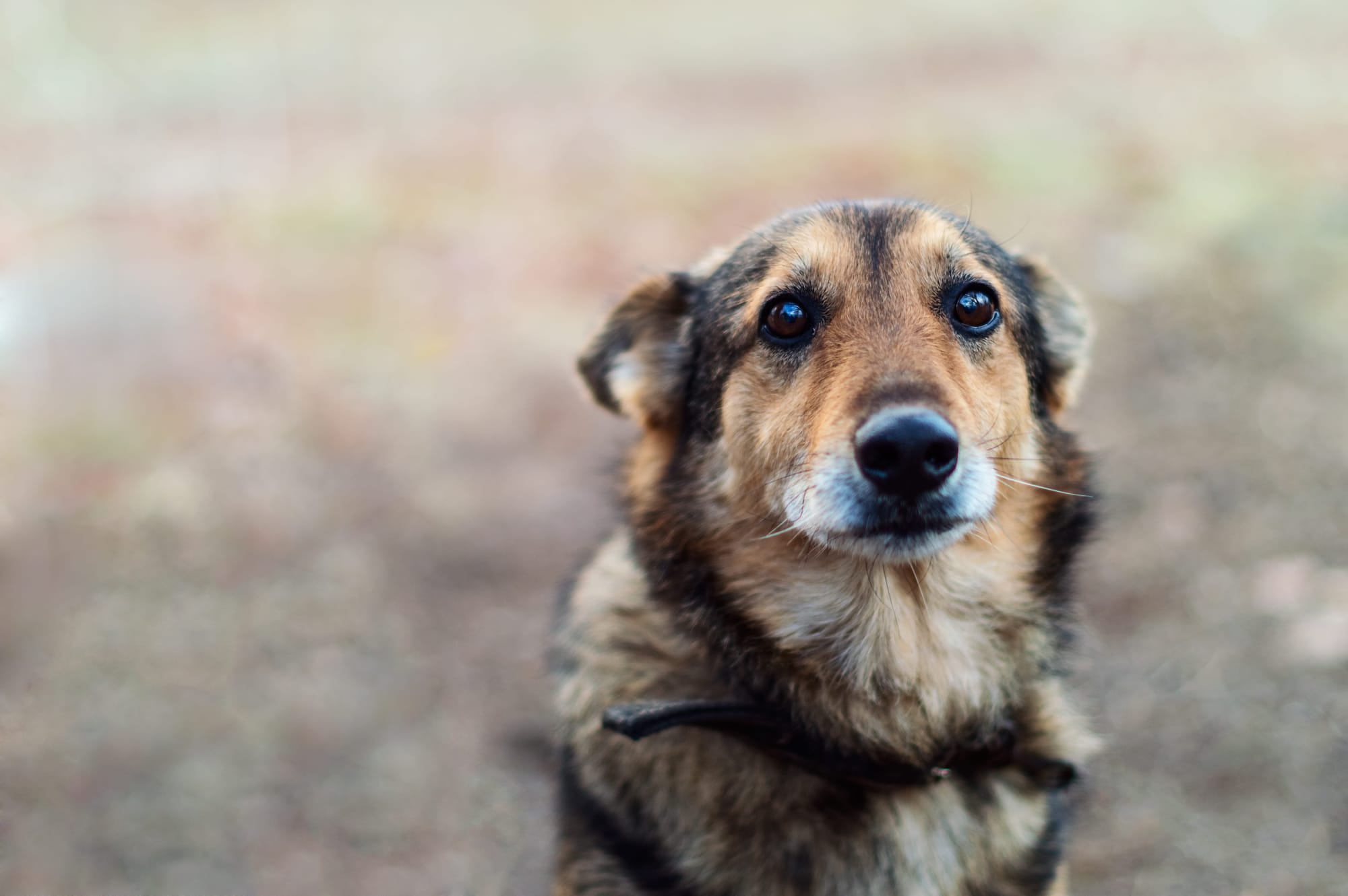
Could pain or a medical change be involved?
An unexplained behavior change belongs on your veterinarian’s radar. Pain can change how much handling, movement, noise, surprise, or proximity a dog can tolerate. Illness, mobility problems, sensory changes, and conditions that affect the nervous system can also change behavior.
Dogs do not always limp, cry, or show an obvious injury. A sore dog may move a little differently, sleep more, avoid being touched, hesitate before jumping into the car, stop enjoying play, or react when another dog comes close. You might notice a change in appetite, sleep, bathroom habits, activity, or interest in ordinary routines. You might notice only the behavior.
Call your veterinarian when the change is abrupt or difficult to explain. Mention the behavior change when you make the appointment, along with anything else that seems different. If your dog is older, reacting to touch, moving differently, waking at night, eating less, or acting unlike themselves in other situations, include those details.
A medical evaluation and behavior support can happen at the same time. You can reduce difficult encounters and protect everyone’s safety while your veterinarian looks for physical contributors.
Figure out what happened before the change
Think back to the first few incidents. The goal is to collect details before memory turns several different events into one general story about a “reactive dog.”
Write down:
- what your dog saw, heard, or approached
- where it happened and how much room your dog had
- whether your dog was on leash, behind a fence, in a car, or near a doorway
- what your dog did before the bark, growl, lunge, or snap
- what you and the other person or dog did afterward
- how long your dog took to return to their ordinary behavior
- what had happened earlier that day
- any recent health, household, schedule, walking-route, daycare, or exercise changes
Distance deserves its own note. A dog who can watch another dog across a wide field may struggle when one turns a corner ten feet away. A familiar dog in an open area is a different situation from an unknown dog on a narrow sidewalk. “They reacted to a dog” leaves out most of the information you need.
Look for similar scenarios across several incidents. A recurring set of conditions will tell you more than one episode can.
Could adolescence or maturity explain the timing?
Young dogs do change as they develop. Barking, pulling on leash, and recall problems may rise during parts of adolescence. A puppy who happily approached every dog may respond differently several months later as their body, social behavior, and experience change.
Include age in the timeline without using “teenage hormones” as a complete explanation for sudden reactivity.
Research on canine adolescence has found a temporary, caregiver-specific drop in responsiveness to cues around puberty. That study examined responsiveness rather than leash reactivity, fear of strangers, or aggression. Development may coincide with the change, shape how a young dog responds, or expose a situation that was already difficult. Pain, learning history, recent events, and the environment still deserve attention.
If your young dog has started struggling around other dogs, this guide to puppy excitement and reactivity can help you compare social interest, frustration, fear, conflict, fatigue, and overstimulation without guessing from the size of the reaction.
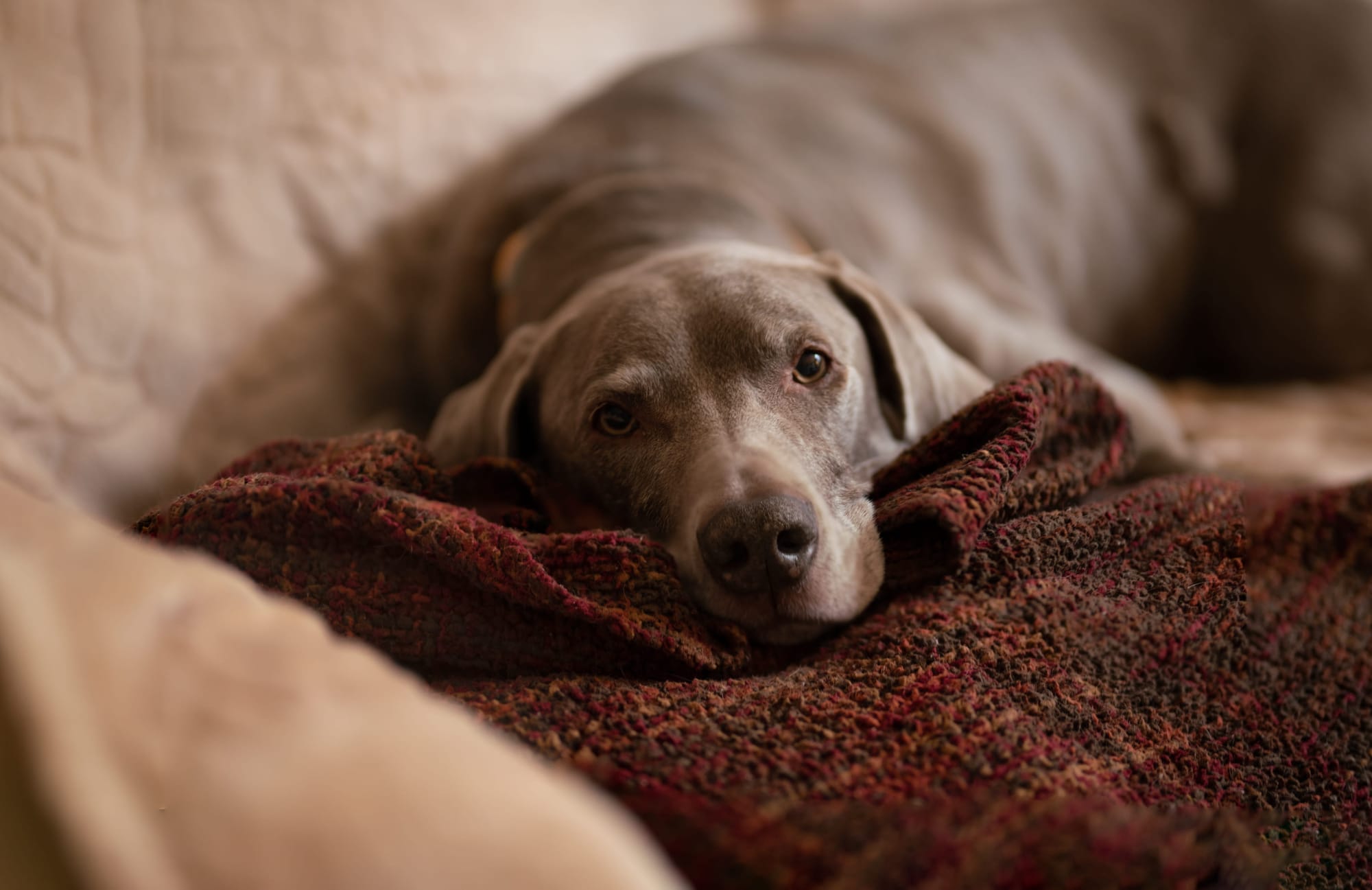
What if it began after a bad experience?
The timing of a frightening event may be important. A dog might react differently after being rushed by an off-leash dog, startled by a bicycle, cornered during a greeting, injured during play, or overwhelmed in a busy place.
Treat the event as one clue and check how closely it resembles the situations that came later.
Compare the new incidents with the original one. Are the dogs similar in size, movement, or appearance? Does the reaction occur in the same place? Is your dog reacting only when there is no room to move away? Has the behavior spread to different dogs, people, or settings? Does added distance change it?
This comparison can help a qualified dog trainer or qualified behavior consultant build a more fitting plan. It can also keep one memorable incident from overshadowing a physical problem or a longer history that deserves attention.
Why does my dog react only on leash, to certain dogs, or in certain places?
Dogs do not respond to a trigger in a vacuum. The leash, distance, available space, familiarity, previous encounters, and what usually follows all affect the situation.
A dog who moves comfortably around familiar dogs in a large yard may bark at an unfamiliar dog approaching head-on along a narrow path. A dog who expects to greet everyone may get increasingly agitated when the leash blocks access. Another dog may be trying to create more room. Some dogs approach and retreat because the situation pulls them in both directions.
Visible behavior cannot settle the question by itself. Watch the whole sequence: how the dog approaches or avoids, what happens at different distances, how they respond when the path opens up, and how the behavior changes when you alter the setup.
If the reaction happens mainly on walks, management for reactive dogs covers route choice, distance, visual barriers, and handling in more detail.
What should I do while I figure this out?
Make the immediate environment easier to manage.
- Cross the street or turn around before your dog is trapped in a close pass.
- Walk at quieter times and use routes with room to move away.
- Pause dog-park visits, on-leash greetings, daycare, or other situations that repeatedly end badly.
- Use parked cars, hedges, and buildings as visual barriers.
- Bring food your dog likes and reward check-ins, moving away with you, and other behavior you want to see again.
- Keep a short record of triggers, distance, setting, response, and recovery.
Avoid leash jerks, intimidation, painful tools, and forced exposure. Adding pain or fear to the appearance of a trigger can make an already difficult situation worse. Reward-based training and thoughtful environmental management give your dog a chance to learn without being pushed through another reaction.
Management can prevent more frightening or unsafe encounters while you gather information. For a closer look at the earlier signs, see stress signals and environmental management for reactive dogs and signs your dog may be stressed.
A qualified dog trainer or behavior consultant can help you assess changing behavior, identify patterns, and build a safer, more individualized training plan.
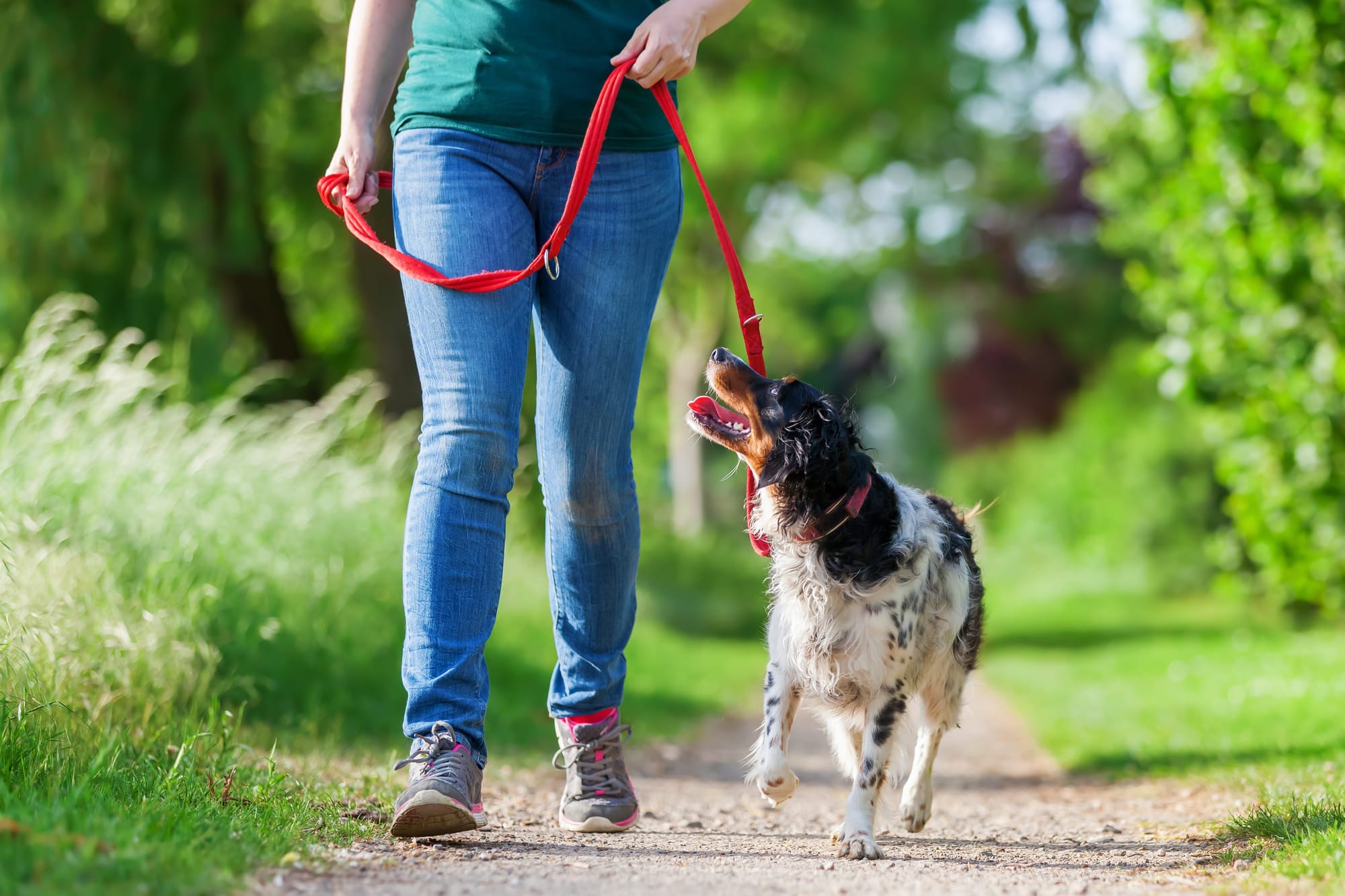
When should I get professional help?
Contact your veterinarian for a sudden, unexplained change or any reason to suspect pain, illness, altered hearing or vision, or another physical problem.
Get case-specific help from a qualified dog trainer or qualified behavior consultant when reactions are becoming more intense, happening in more places, or getting harder to manage safely. Seek help promptly after a bite or attempted bite, redirected aggression toward a person or another animal, or any incident involving a child or someone who cannot reliably avoid the dog.
Professional help is also appropriate when daily life is shrinking around the behavior. You may have stopped walking your dog, using part of your home, inviting people over, or doing ordinary activities because you cannot keep enough distance.
Your notes will help. Bring the timeline, the contexts in which the behavior does and does not occur, changes you have noticed elsewhere, and video recorded from a safe distance if the professional asks for it. Do not create another reaction to get footage.
A sudden change rarely comes with a neat answer after one walk. Careful observation can separate a health concern from a training question, show which situations your dog can manage, and help a professional ask better questions. In the meantime, more space and fewer forced encounters are a kind response to a dog whose behavior is telling you that something has changed.
For more practical dog behavior and training resources, subscribe to Train Canine.